Amaya Tomanová
In those years where Apple Watch offers a variety of health functions, the company Apple has shared a ton of stories about how its watches have helped save lives. The one that appeared on the Cupertino company's official YouTube channel this week is particularly powerful. The video features a woman named Amanda who, after receiving an alert, Apple Watch decided to see a doctor.
It could be interest you

 LSA Magazine
Subsequent tests confirmed that Amanda had acute myeloid leukemia, an aggressive blood cancer. The whole story began relatively inconspicuously, as it usually does.
On Amanda's display Apple Watch began to receive notifications about an unusual heart rate. This was not a one-time, short-term issue, there were changes in the resting heart rate and the values monitored during the night. It was the fact that the fluctuations occurred over a relatively long period of time that prompted Amanda to see a doctor. Apple Watch Of course, they could not directly diagnose the disease as such, but they contributed significantly to its detection.
Gallery

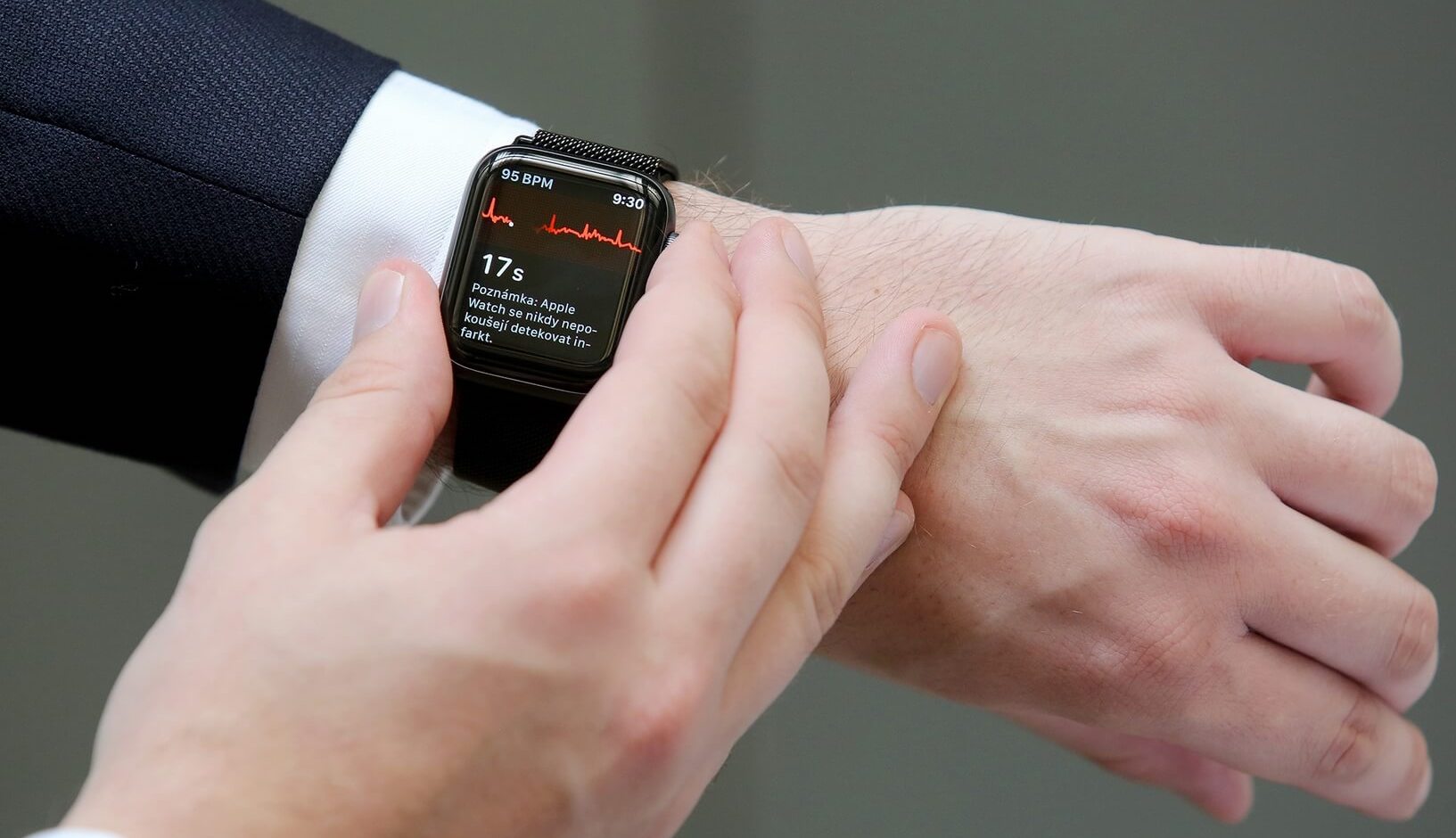

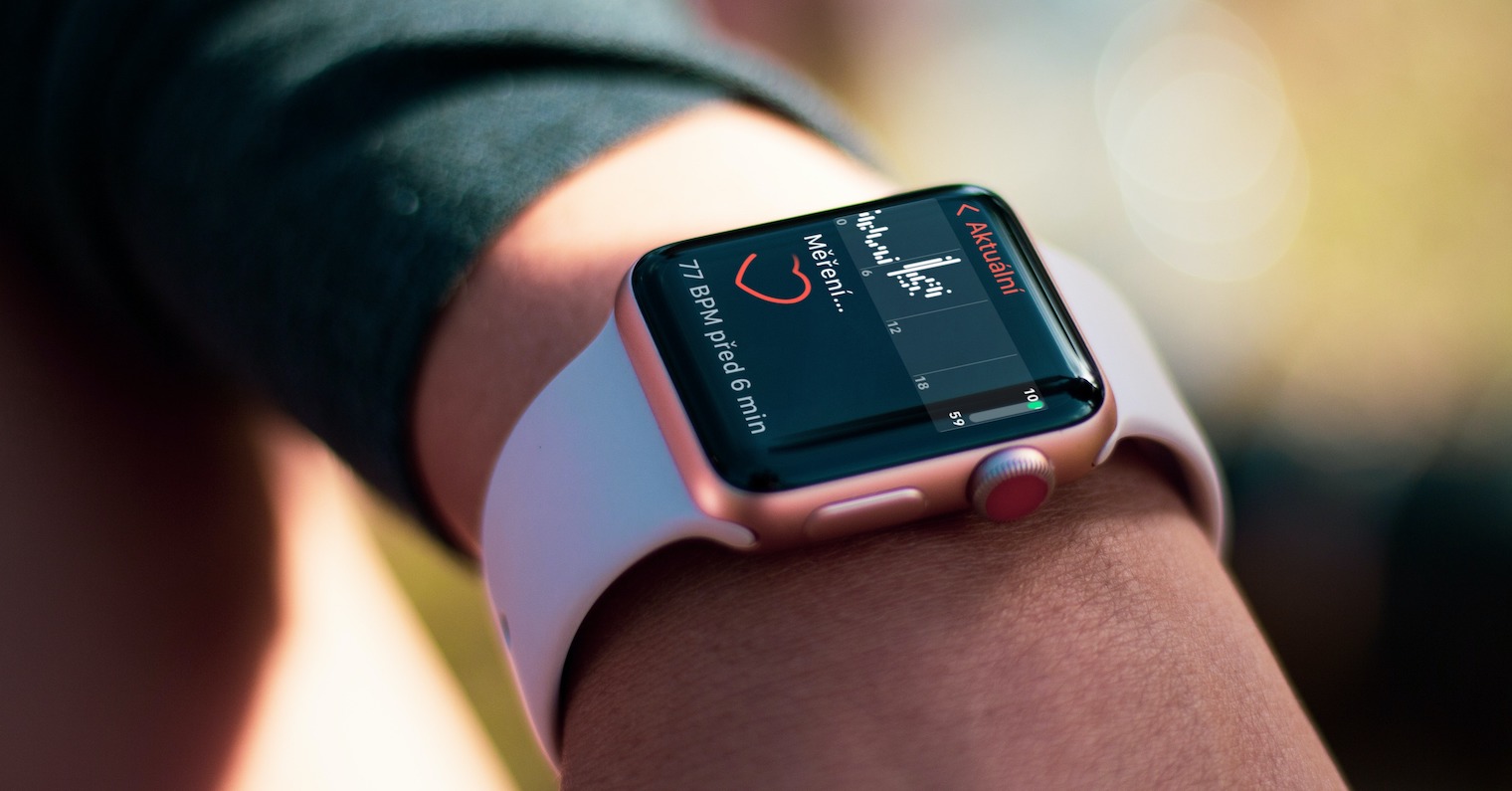
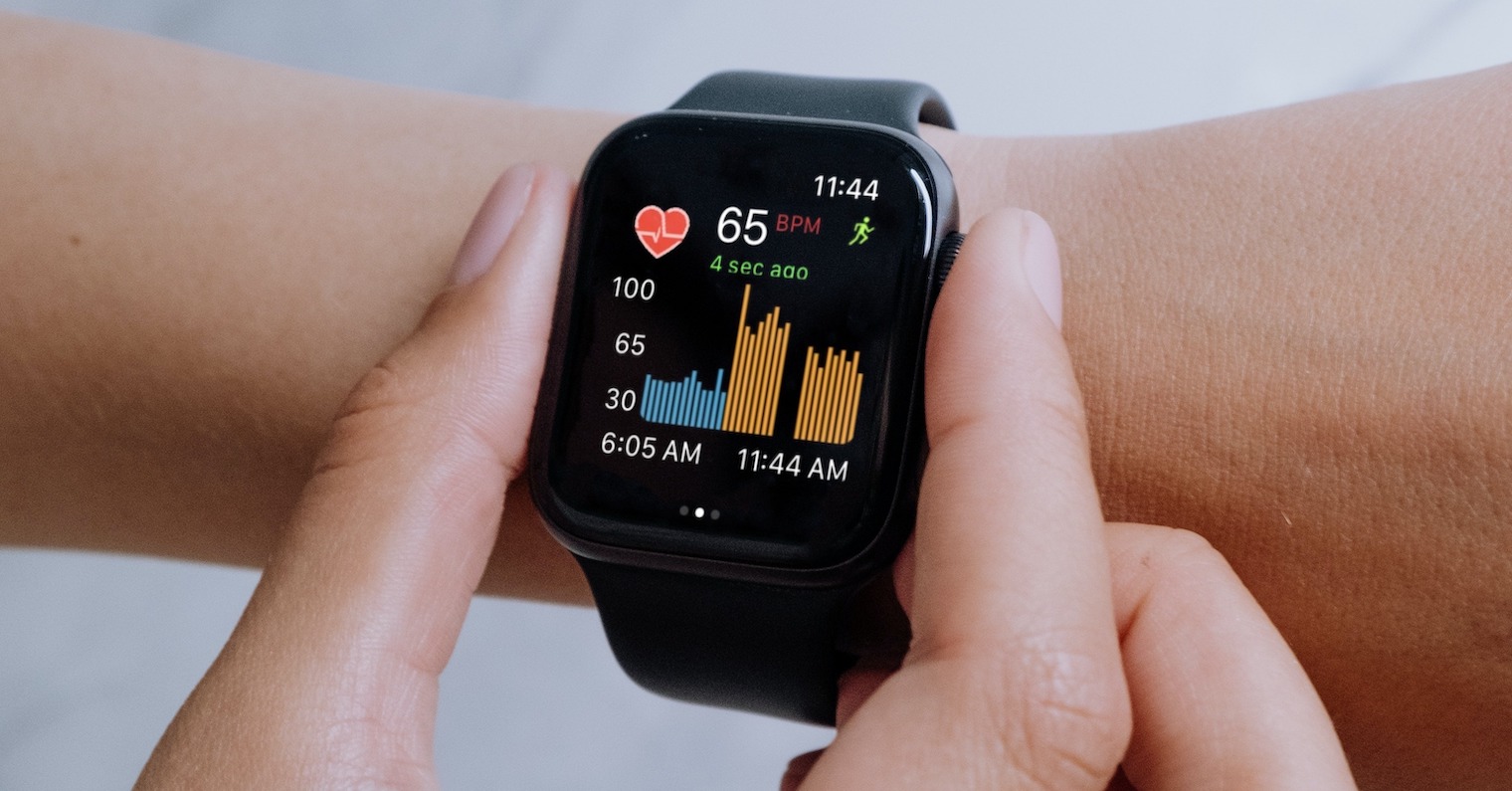
After a visit to the doctor, Amanda was diagnosed with acute myeloid leukemia. Amanda underwent appropriate treatment and her disease is currently in remission, according to her own words. Amanda herself in a video on her YouTube channel Apple says that she is convinced that without Apple Watch she wouldn't be able to tell her story today.
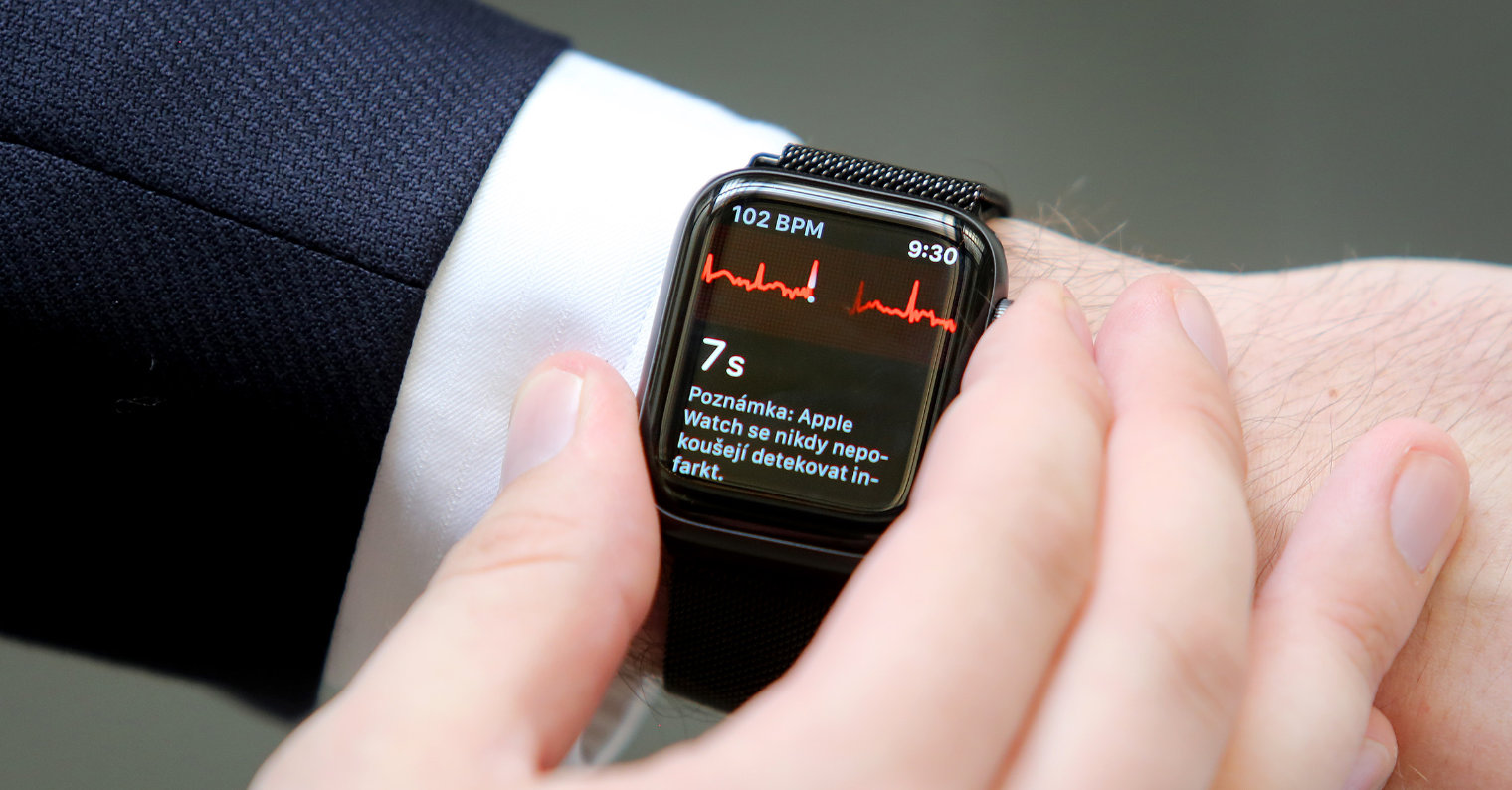
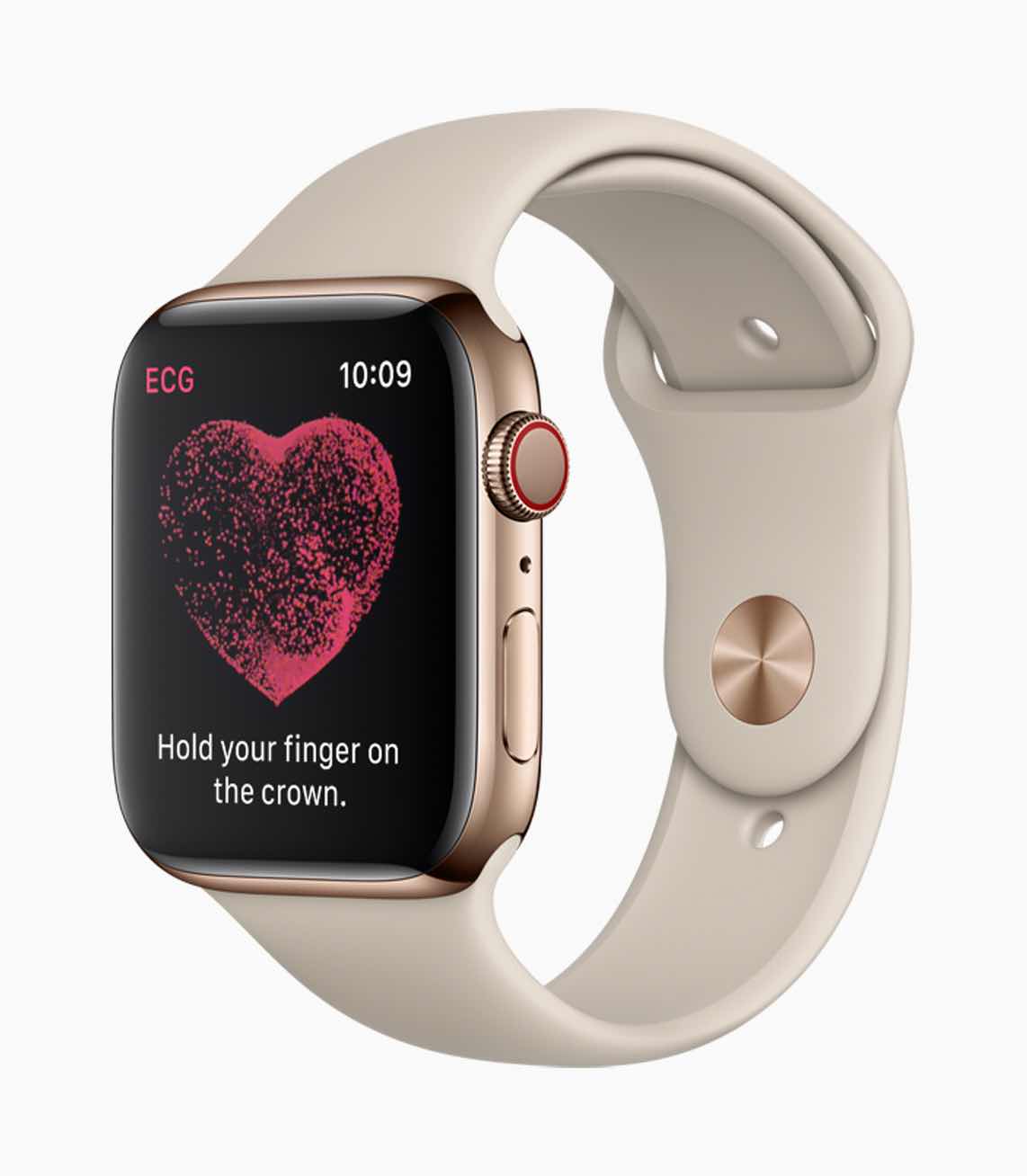
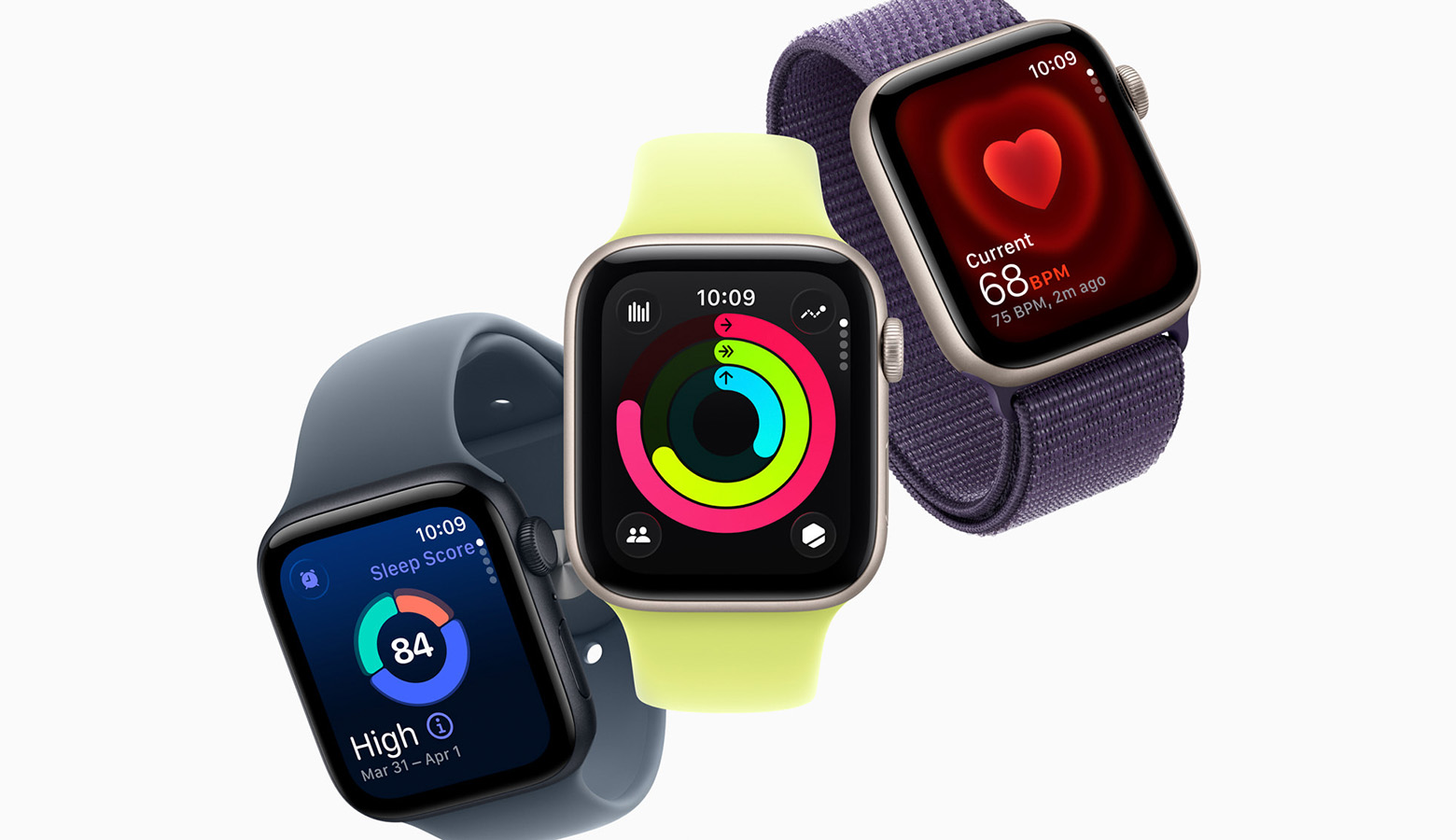
Long-term monitoring of values plays a very important role in early diagnosis. Apple Watch During the wearing process, it learns to more or less "know" its owner and to alert them to any unusual situation, even if the wearer does not yet subjectively feel any significant changes. Among its essential functions is heart rate monitoring. Apple Watch They can alert their wearer to an extremely high or low heart rate, and newer models also have ECG recording functions with the ability to detect possible atrial fibrillation.

 Jan Vajdák

 Adam Kos